Massimo Adolfo Vitale
Massimo Adolfo Vitale (1885–1968) dedicated his life to tracking and recording the names of deported Jews from Italy and the Aegean islands.

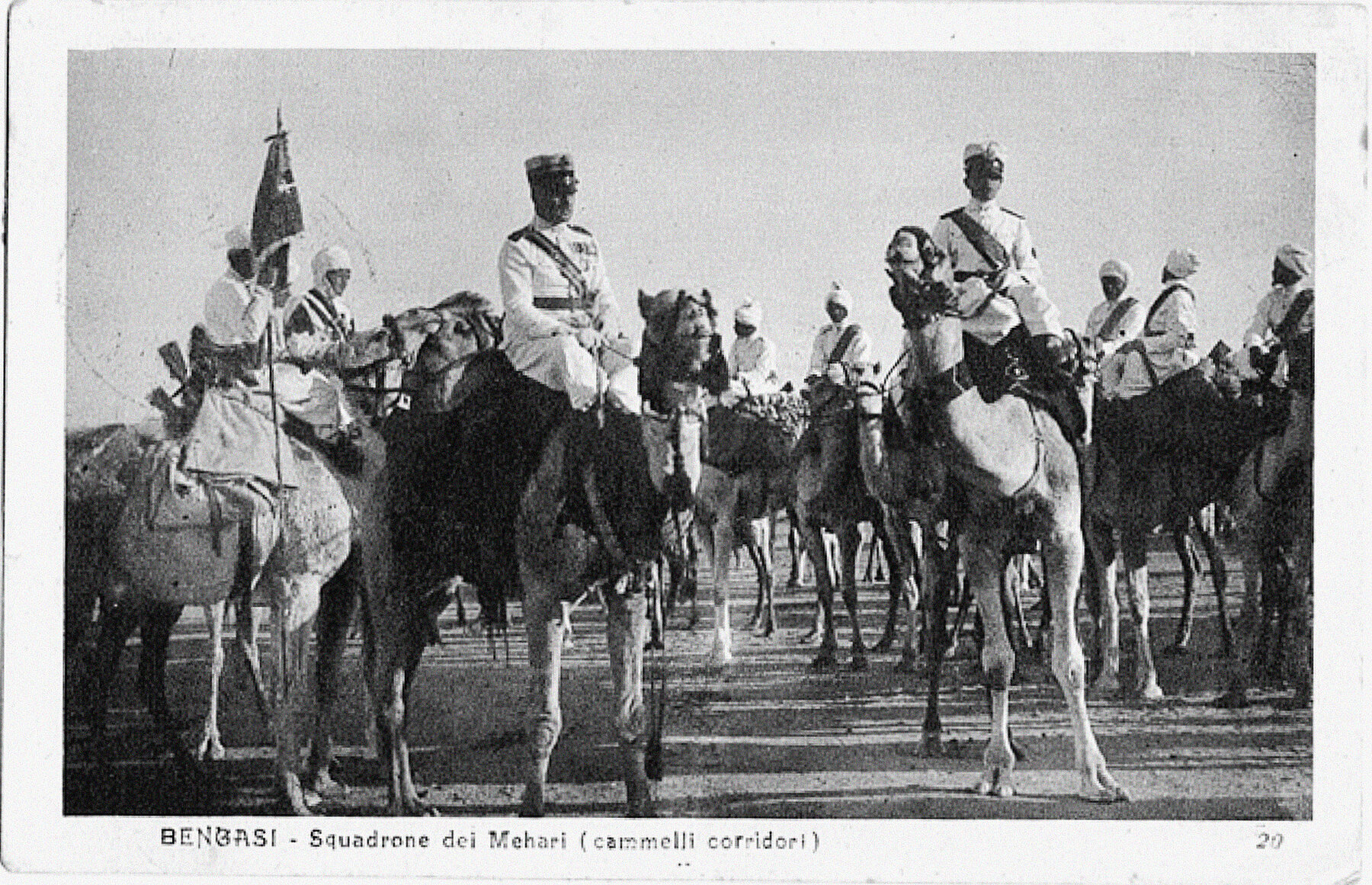
Vitale was born in Turin and studied Law there. He was a decorated World War I veteran and was stationed in Eritrea, Somalia and Libya as an Italian colonial officer. Forced to give up his position due to the Italian racial laws which entered into force in November 1938, Vitale sought refuge in England, France and Morocco. In 1944, he returned to his home country. His mother and sister were murdered after their deportation from Turin.
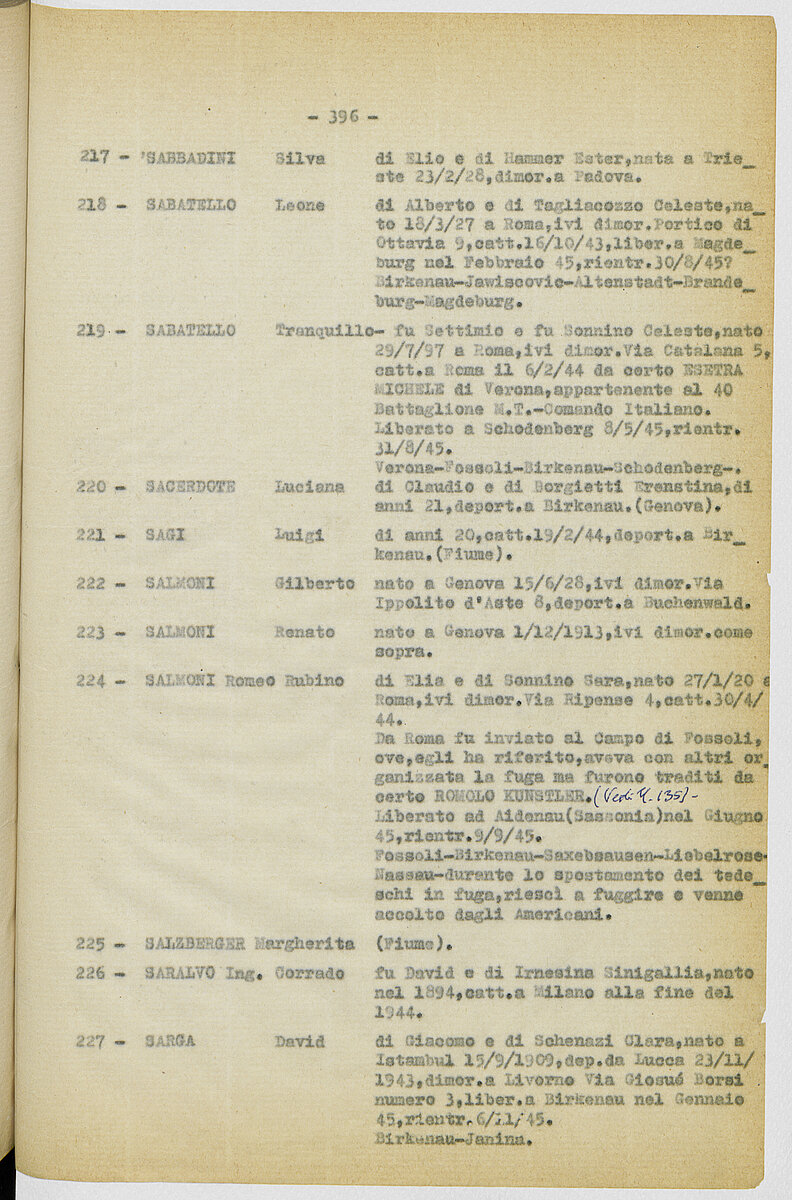
Upon his return, the Comitato Ricerche Deportati Ebrei (Committee for the Finding of Jewish Deportees) recruited Vitale to lead its research efforts. He organized housing, aid and food for the returning Jews and attended the trial of Rudolf Höß, commandant of Auschwitz, in Warsaw in 1947. Following the trial, Vitale made several visits to former concentration camp sites and began his research on Poland. In 1946, he wrote Les persécutions contre les juifs en Italie 1938–1945 (The Persecution of the Jews in Italy 1938–1945). In this report, Vitale stressed the responsibility of the Vatican and the Catholic Church in abetting and aiding the Italian Fascists. Drawing on his investigative work, he presented a list: 7496 Jews were deported from Italy and the Aegean islands and only 837 survived.
“Nearly all Italian Jews mourn someone who will not return and whose date of death and burial place remain unknown. So if someone asks if anything has changed between the Jews and the gentiles in Italy, one can only reply: Before 1938, us Jews were Italians in Italy, now we are ‘Jewish Italians’.”
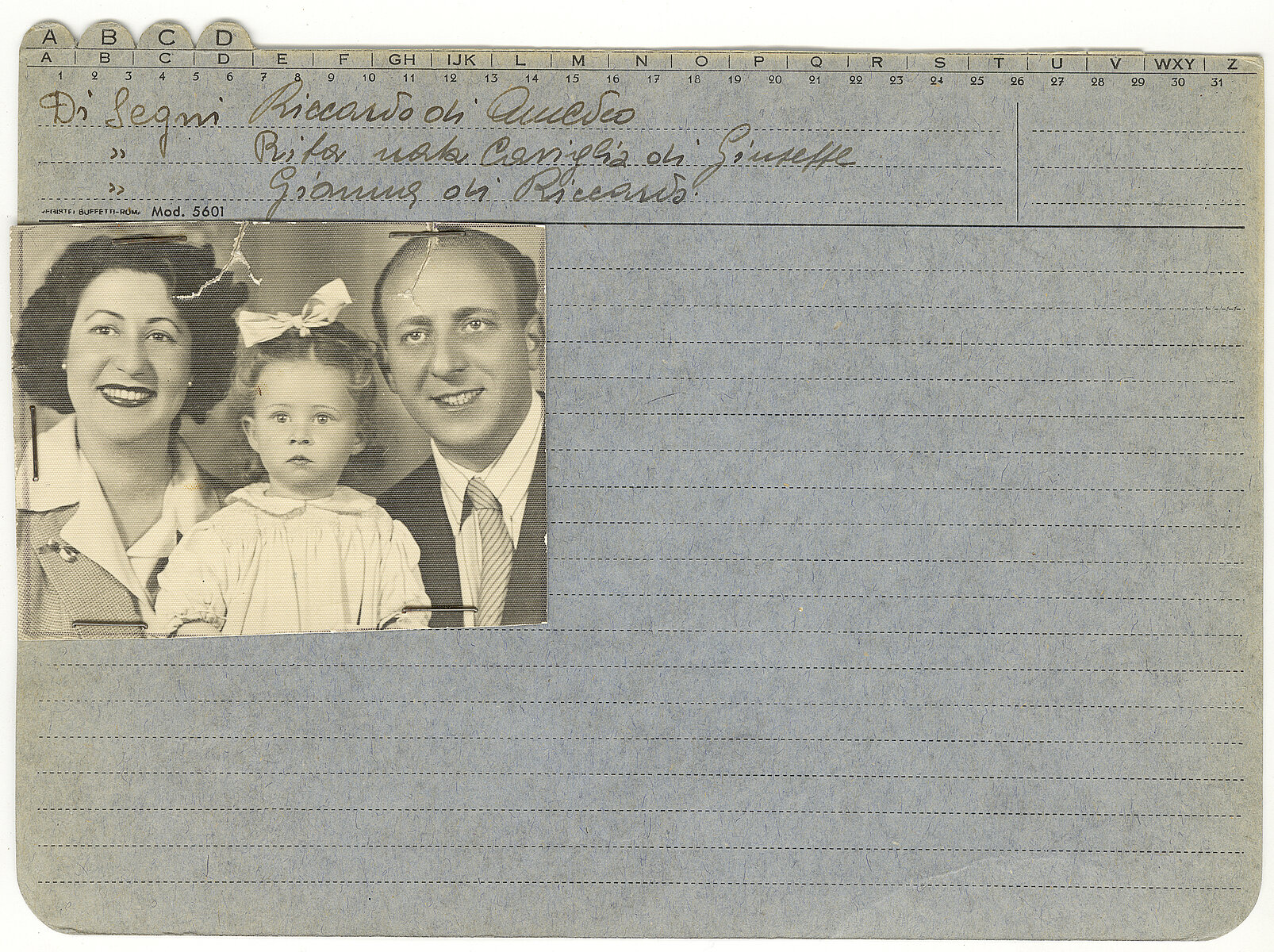
Beginning in 1955, Vitale worked for the Centro di Documentazione Ebraica Contemporanea (Centre of Contemporary Jewish Documentation) in Milan. He dedicated his time to fighting anti-Semitism in Italy and in Poland.
Extract from the online event for the special exhibition "Crimes Uncovered. The First Generation of Holocaust Researchers"